


I didn’t set a reading goal for 2025.
There was no number to chase and no theme I planned in advance.
I read when I had the space - early mornings, late nights, weekends when I wanted something steady rather than demanding.
When I look back at the books I kept thinking about long after I finished them, three stand out. Many of them are set near the ocean or in landscapes where nature isn’t just background. But that alone isn’t why they stayed with me.
What connects them more is the kind of women at their center - and how they move through the world.
Tress of the Emerald Sea
Tress of the Emerald Sea stayed with me because of how quietly it allows its main character to change.
When the story begins, Tress is small in her world. Her life is narrow, shaped by routine, proximity, and careful attention to what’s immediately around her. She isn’t dissatisfied so much as contained. What she knows, she knows well. What she doesn’t, she doesn’t pretend to understand.
As the story unfolds, she doesn’t become someone entirely new all at once. There’s no single moment where she transforms. Instead, she adjusts - slowly, repeatedly - to what’s asked of her. Each unfamiliar situation requires her to learn something specific: how the sea behaves, how people behave, how power works, how risk accumulates.
What struck me was that her endurance isn’t about toughness in the conventional sense. It’s about adaptability. She watches carefully. She absorbs information. She learns when to hold steady and when to change course. Over time, that attentiveness reshapes her - not into someone louder or more aggressive, but into someone more capable.
The sea plays a large role in this. It’s unpredictable and dangerous, but it isn’t framed as something to be conquered. Tress learns to work with it rather than against it. That relationship - respectful, cautious, responsive - mirrors her own growth. She doesn’t overpower the world she’s in. She learns how to exist within it without disappearing.
By the end of the book, she isn’t the same person who started the journey, but the change feels earned. It comes from accumulation: small decisions, sustained effort, and the willingness to keep going even when clarity is limited.
That kind of endurance stayed with me long after I finished the book.
Heartwood
What deepened my connection to Heartwood was the way it’s told through three women, each moving through a very different kind of terrain.
There’s the woman who is physically lost, whose world has narrowed to immediate needs - staying warm, staying awake, deciding what to do next. Her strength is practical and inward. There’s no space for reflection when survival depends on attention.
Then there’s the woman searching, operating within systems - protocols, expectations, professional roles. Her endurance looks different. It’s shaped by responsibility, judgment, and the pressure to keep functioning even when certainty isn’t available.
And then there’s the woman observing from a distance, piecing together meaning after the fact. She carries a different weight: interpretation, memory, the attempt to understand what happened and why.
None of these perspectives is treated as more important than the others. The book lets them exist side by side, and only slowly do you see how they speak to each other.
Taken together, the story makes its point quietly. Endurance isn’t singular. It isn’t always visible. And it often looks different depending on where a woman is standing - and what she’s allowed to know at the time.
There are no speeches here. No declarations. The idea emerges through accumulation - through attention, labor, persistence, and restraint.
I didn’t rush this book, and I didn’t want to. It asks you to hold multiple truths at once, and to accept that understanding often arrives later than action.
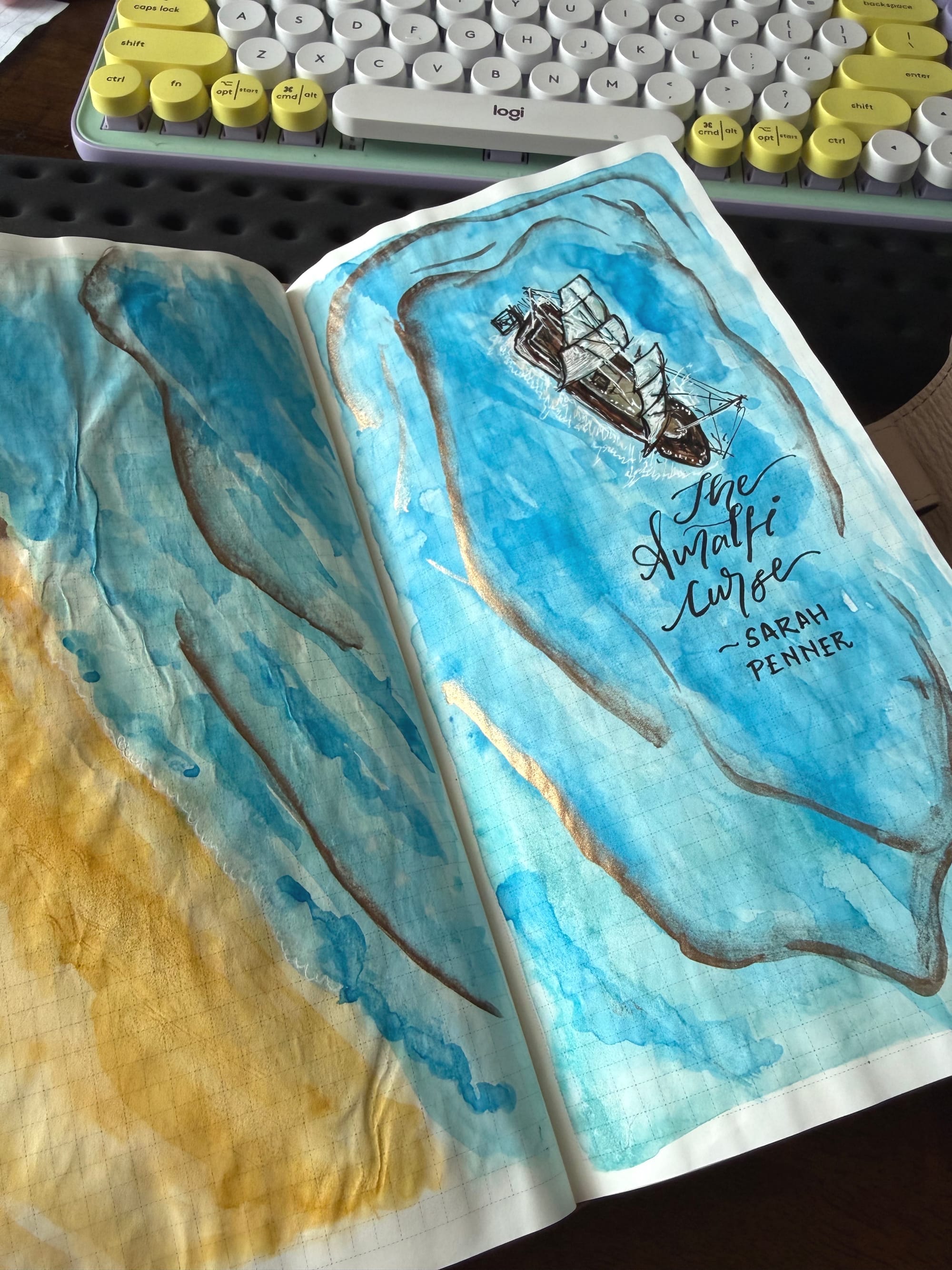
The Amalfi Curse
The Amalfi Curse stayed with me because of how it treats inheritance - not as something dramatic, but as something quietly carried.
The women in this story don’t begin from a blank slate. They begin already shaped by place, by history, by what has been passed down and left unresolved. The Amalfi coast isn’t just a setting; it’s a constant presence. It holds memory. It keeps things close. It doesn’t allow easy distance from the past.
What unfolds isn’t a story of rebellion against that weight, but of learning how to live with it. The women move carefully. They observe what’s been preserved, what’s been hidden, and what time has softened.
Change, when it comes, isn’t abrupt. It happens through recognition - through deciding which parts of the past still have a claim, and which ones no longer do. Strength shows up as discernment rather than defiance.
The book maintains a noticeable restraint. Certain tensions remain unresolved, the way they often do in real families and real histories. That felt honest.
Endurance here isn’t about survival or adaptation. It’s about continuity - carrying something forward without letting it consume you. About shaping a future from what you’ve been given, quietly and deliberately.
The ocean mirrors that process. Always present. Never static. Shaping the edges of everything around it.
A Pattern I Didn’t Plan
When I line up my 2025 reads, the pattern isn’t just ocean settings.
I kept choosing books about women who don’t announce their strength. They pay attention. They stay present. They adapt, endure, and carry forward without spectacle.
The landscapes in these stories don’t bend to the characters. And the women don’t try to bend them back. They learn how to exist within them.
I’m currently reading Sirens, and once again, water sits at the center. At this point, I don’t think that’s accidental.
Looking back, my reading year wasn’t about productivity or challenge.
It was about choosing stories that stayed steady when things were uncertain.
These were books where change didn’t arrive all at once. It arrived through paying attention, through staying present when clarity wasn’t available, through carrying what came before without letting it define everything that followed.
Some books end when you close them.
Others keep shaping how you notice strength, patience, and choice in everyday life.
2025 was shaped by the second kind.